

fire rated laminated glass
Replacing Water Cut-Off Valves A Comprehensive Guide Water cut-off valves, also known as shut-off valves, play a crucial role in plumbing systems. They are designed to stop the flow of water in pipes, allowing homeowners and plumbers to perform repairs or maintenance without flooding the area. Over time, these valves can corrode, become damaged, or malfunction, necessitating their replacement. Understanding the process of replacing water cut-off valves is essential for anyone interested in home maintenance or plumbing. 1. Understanding Water Cut-Off Valves Water cut-off valves can be found in various types, including ball valves, gate valves, and globe valves. Each type functions differently, but their primary purpose remains the same to regulate water flow. Ball valves are popular due to their durability and ease of use, featuring a spherical closure element that allows for quick on/off operation. Gate valves are better suited for applications where a full flow is essential, while globe valves are often used for throttling flow. 2. Safety First Before you begin the replacement process, safety should be your top priority. Start by shutting off the main water supply to your home. It is also advisable to drain the pipes to prevent any residual water from leaking out during the replacement process. You may want to place towels or a bucket beneath the valve area to catch any leftover water. 3. Gather Your Tools To replace a water cut-off valve, you will need several tools, including - Pipe wrench or adjustable wrench - Hacksaw (if cutting is necessary) - Teflon tape or pipe joint compound - Replacement valve - Bucket or towels for cleanup Make sure you have all these tools at hand before starting the process. replacing water cut off valves 4. Remove the Old Valve Begin the removal process by loosening the nuts or screws holding the valve in place. Depending on the valve's condition, you might need to use a pipe wrench to apply more torque. If the old valve is rusted or corroded, take care not to damage the surrounding pipes. If you encounter a stubborn valve, cutting the pipe section with a hacksaw may be necessary. Remember to cut straight to ensure a proper fit for the replacement valve. 5. Install the New Valve Once the old valve is removed, it is time to install the new one. Start by applying Teflon tape or pipe joint compound to the threads of the new valve to ensure a watertight seal. Then, position the new valve in place, tightening it securely with your wrench. Be careful not to overtighten, as this can lead to damage or future leaks. 6. Test for Leaks With the new valve installed, it’s time to turn the main water supply back on. Gradually open the new valve to check if it operates smoothly. Observe the area around the valve for any signs of leaks. If you notice water seeping out, you may need to tighten the connections a bit more or reapply Teflon tape if necessary. 7. Final Steps After you’ve confirmed that everything is functioning correctly and there are no leaks, clean up the area and dispose of the old valve responsibly. Double-check that all tools are accounted for and ensure you have restored the workspace to its original condition. Conclusion Replacing water cut-off valves may seem daunting at first, but with the right tools, safety precautions, and attention to detail, it can be a manageable DIY project. Whether you’re dealing with a leaky valve or simply conducting routine maintenance, knowing how to replace these valves is a valuable skill for any homeowner. Always remember to consult a professional plumber if you encounter any challenges that exceed your comfort level. With proper care and timely replacements, you can ensure that your plumbing system functions efficiently and effectively.
about
fire rated laminated glass
Understanding Metal Fabrication A Comprehensive Guide Metal fabrication is a transformative process that involves manipulating and assembling metal structures from various raw materials. It encompasses a range of techniques and technologies that are integral to the manufacturing and construction industries. This article explores the significance of metal fabrication, the processes involved, and its applications across different sectors. What is Metal Fabrication? Metal fabrication refers to the creation of metal structures through cutting, bending, welding, machining, and assembling metal components. The fabrication process can be simple or complex, depending on the design and use of the end product. Fabricators use a variety of metals, including steel, aluminum, copper, and brass, tailoring each project to meet specific requirements. Key Processes in Metal Fabrication 1. Cutting The first step in the metal fabrication process often involves cutting the metal into desired shapes and sizes. This can be done using various methods, including plasma cutting, laser cutting, and water jet cutting. Each technique has its advantages, and the choice often depends on the thickness and type of metal as well as the precision required. 2. Bending After cutting, bending reshapes the metal into the required angles or curves. This is typically done using press brakes or rolling machines. Metal bending requires precision and expertise to ensure that the shape meets the design specifications without compromising the material's integrity. 3. Welding Welding is a critical step in metal fabrication that involves joining two or more pieces of metal together. Various welding techniques exist, such as MIG (Metal Inert Gas), TIG (Tungsten Inert Gas), and arc welding. The choice of welding method depends on the type of metal, the thickness of the material, and the desired strength of the joint. 4. Machining Machining involves removing material from a workpiece to achieve a desired shape or finish. This can include processes like drilling, grinding, and milling. Precision machining is essential for components that require tight tolerances and high-quality finishes. metal fabrication table 5. Finishing The finishing stage involves cleaning, painting, or applying coatings to the fabricated metal parts. This not only enhances the aesthetic appeal but also provides protection against corrosion and wear, extending the lifespan of the product. Applications of Metal Fabrication Metal fabrication plays a crucial role in numerous industries, including - Construction Steel beams, columns, and framework used in building structures are often produced through metal fabrication. This process ensures that the components meet specific load-bearing requirements. - Automotive The automotive industry relies on metal fabrication for the production of car frames, engine components, and exhaust systems. Precision and durability are paramount in this sector. - Aerospace Aerospace applications require high-quality, lightweight components that are often manufactured through advanced metal fabrication techniques. This industry demands strict adherence to safety and performance standards. - Manufacturing From machinery and equipment to tools and fixtures, metal fabrication supports a wide range of manufacturing processes, ensuring efficiency and reliability in production. Conclusion Metal fabrication is an essential element of modern manufacturing, bridging the gap between raw materials and finished products. Understanding the various processes and applications involved in metal fabrication can provide insights into its importance in our daily lives. As technology continues to advance, the methods and capabilities of metal fabrication will evolve, further enhancing its critical role in various industries around the globe. Whether it's for large-scale construction projects or intricate machine parts, metal fabrication stands as a cornerstone of industrial success.
-

High quality industrial productsagement

High quality industrial products
View Details -

Meet the diverse needs of customers

Meet the diverse needs of customers
View Details -

Strict quality control

Strict quality control
View Details -

Top raw materials

Top raw materials
View Details -

Trusted supplier

Trusted supplier
View Details
Our application
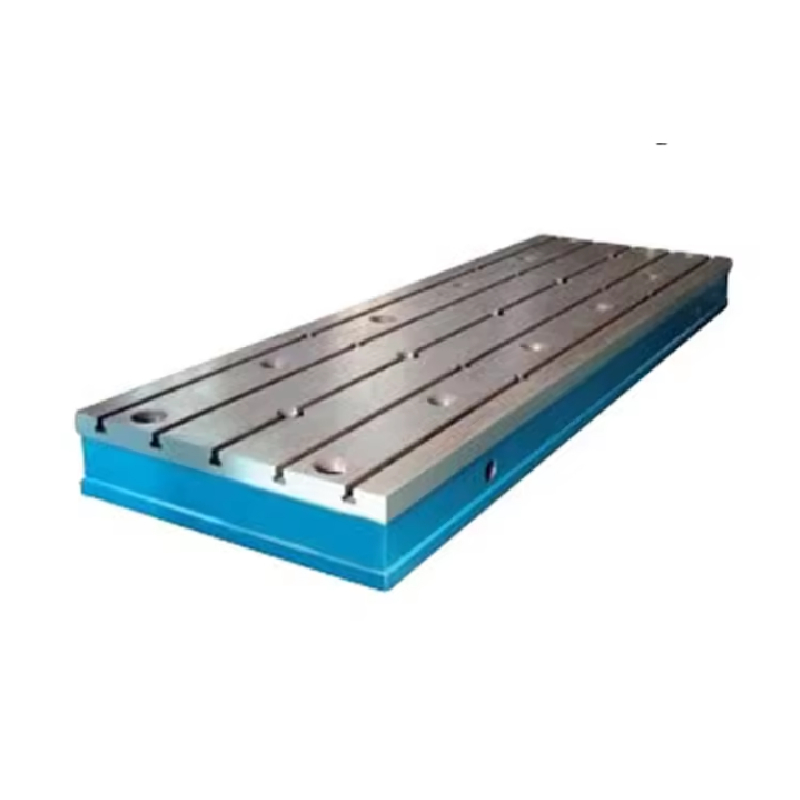
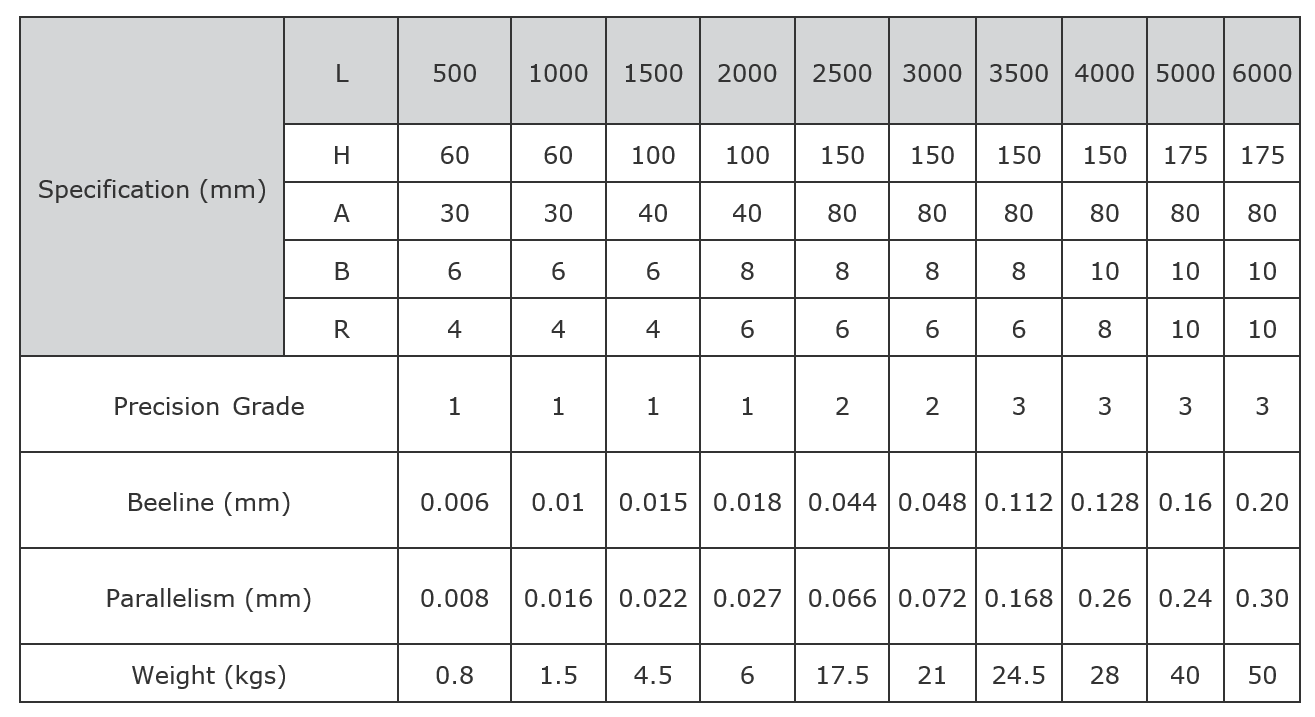

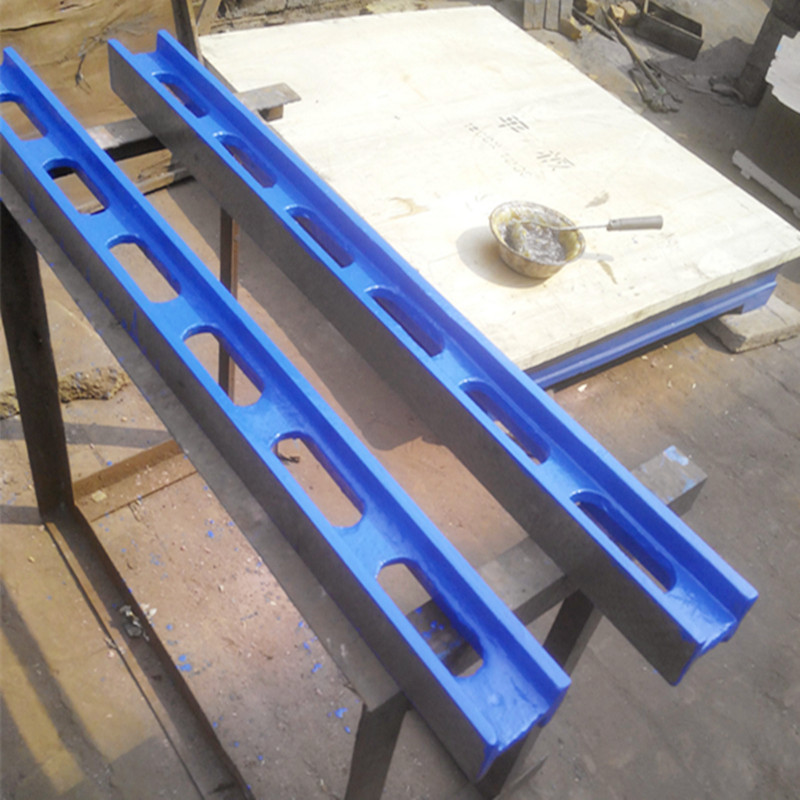
news and information
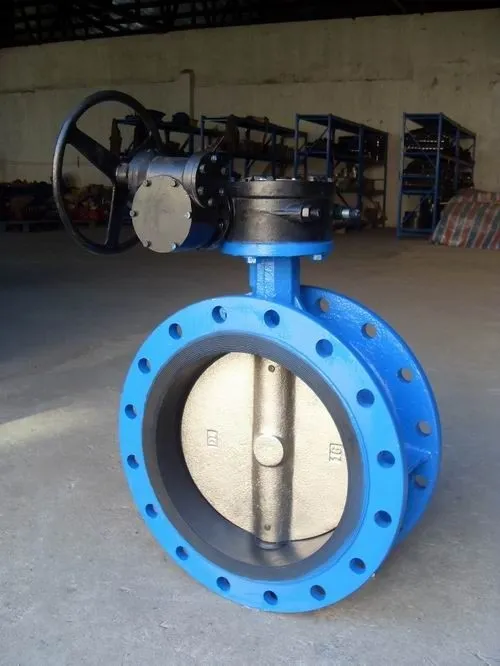
welding table clamps for versatile and secure workholding solutions
Understanding Welding Table Clamps A Comprehensive Guide Welding is an essential process in various
Versatile Stainless Steel Angle Ruler for Precision Measuring and Drafting Tasks
The Versatility of the Metal Angle Ruler When it comes to precision tools in the fields of engineeri
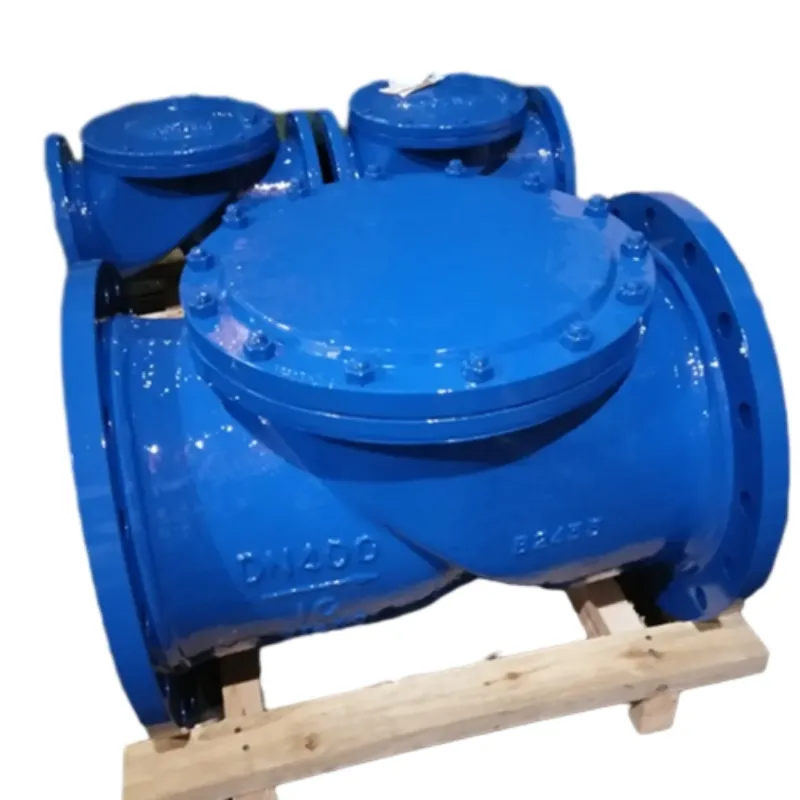
where is the water valve in my house
Where Is the Water Valve in My House? Understanding where the water valve is located in your home is
 English